Innovative Interior Design Trends for Modern Homes

In the ever-evolving world of interior design, staying ahead of the curve is essential for creating spaces that are not only functional but also aesthetically pleasing. As we move further into the 21st century, new trends are emerging that reflect our changing lifestyles, values, and technological advancements. This blog post explores some of the most innovative interior design trends that are shaping modern homes today.
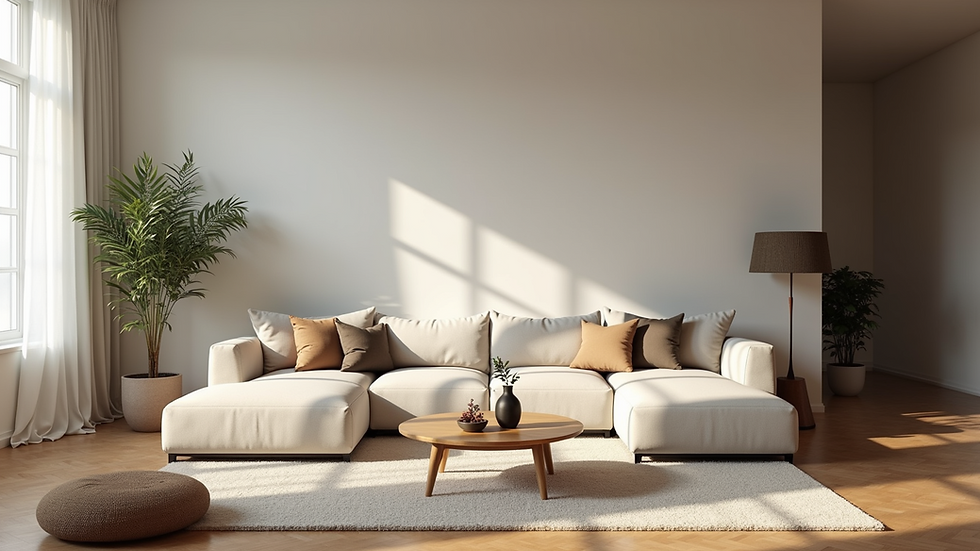
Embracing Minimalism
Minimalism continues to be a dominant trend in interior design. This approach emphasizes simplicity, functionality, and the beauty of open spaces. Here are some key aspects of minimalist design:
Neutral Color Palettes: Soft whites, grays, and earth tones create a calming atmosphere. These colors help to make spaces feel larger and more inviting.
Functional Furniture: Pieces that serve multiple purposes are essential. For example, a coffee table that doubles as storage or a sofa bed for guests.
Decluttered Spaces: The mantra of "less is more" is crucial. Keeping surfaces clear and only displaying essential items can enhance the overall aesthetic.
Examples of Minimalist Design
Consider a living room with a sleek, low-profile sofa, a simple coffee table, and a few carefully chosen decorative items. This setup not only looks clean but also allows for easy movement and a sense of tranquility.
Biophilic Design
Biophilic design is all about connecting indoor spaces with nature. This trend recognizes the positive impact that natural elements have on our well-being. Here are some ways to incorporate biophilic design into your home:
Natural Materials: Use wood, stone, and other organic materials to create a warm and inviting atmosphere.
Indoor Plants: Adding greenery not only purifies the air but also brings life to a space. Consider low-maintenance plants like succulents or snake plants.
Natural Light: Maximizing natural light through large windows or skylights can enhance mood and energy levels.
Practical Applications of Biophilic Design
Imagine a dining area with a large window that overlooks a garden, allowing natural light to flood the space. Incorporating wooden furniture and potted plants can create a seamless connection between the indoors and outdoors.
Smart Home Technology
As technology advances, so does its integration into our living spaces. Smart home technology is becoming increasingly popular, allowing homeowners to control various aspects of their homes with ease. Here are some key features to consider:
Smart Lighting: Adjustable lighting systems can create the perfect ambiance for any occasion. For instance, smart bulbs can change color and intensity based on your mood or time of day.
Automated Climate Control: Smart thermostats can learn your preferences and adjust heating and cooling accordingly, improving comfort and energy efficiency.
Home Security Systems: Advanced security features, such as smart locks and surveillance cameras, provide peace of mind and convenience.
Real-World Examples of Smart Home Technology
A modern living room equipped with smart lighting can transform from a bright space for entertaining to a cozy environment for movie nights with just a few taps on your smartphone.
Sustainable Design
Sustainability is no longer just a trend; it’s a necessity. Homeowners are increasingly looking for ways to reduce their environmental impact. Here are some sustainable design practices to consider:
Recycled Materials: Using reclaimed wood or recycled metal can add character to your home while being eco-friendly.
Energy-Efficient Appliances: Investing in appliances that consume less energy can significantly reduce your carbon footprint.
Water Conservation: Installing low-flow fixtures and rainwater harvesting systems can help conserve water.
Implementing Sustainable Design
Consider a kitchen designed with recycled countertops and energy-efficient appliances. This not only looks stylish but also supports a more sustainable lifestyle.
Multi-Functional Spaces
With the rise of remote work and flexible living arrangements, multi-functional spaces are becoming essential. Here are some ideas for creating versatile areas in your home:
Home Office Nooks: A small corner with a desk and chair can serve as a productive workspace without taking up too much room.
Convertible Furniture: Use furniture that can easily transition from one function to another, such as a fold-out desk or a Murphy bed.
Flexible Layouts: Design spaces that can be easily reconfigured for different activities, such as entertaining guests or family game nights.
Examples of Multi-Functional Spaces
A guest room that doubles as a home office can be achieved with a stylish desk that blends seamlessly with the decor. When guests arrive, simply fold away the desk and make room for a comfortable bed.
Color Trends
Color plays a crucial role in setting the mood of a space. In recent years, certain color trends have emerged that reflect current design sensibilities:
Earthy Tones: Shades of terracotta, olive green, and deep browns evoke a sense of warmth and connection to nature.
Bold Accents: While neutral palettes dominate, bold accent colors can add personality. Consider a vibrant blue or rich mustard yellow for a statement wall or decor piece.
Monochromatic Schemes: Using varying shades of a single color can create a sophisticated and cohesive look.
How to Use Color Effectively
A living room painted in soft beige with a deep green accent wall can create a serene yet stylish environment. Incorporating throw pillows and artwork in complementary colors can tie the room together.
Personalization and Customization
Today’s homeowners are looking for ways to make their spaces uniquely theirs. Personalization can be achieved through:
Custom Furniture: Investing in bespoke pieces that fit your style and needs can elevate your home’s design.
Art and Decor: Displaying personal artwork or family photos adds character and warmth to any space.
Unique Textiles: Incorporating handmade or locally sourced textiles can add a personal touch to your decor.
Examples of Personalization
A gallery wall featuring family photos and local artwork can serve as a focal point in a living room, showcasing your personality and interests.
Conclusion
The world of interior design is constantly evolving, and staying informed about the latest trends can help you create a home that reflects your style and meets your needs. From embracing minimalism and biophilic design to integrating smart technology and sustainable practices, there are countless ways to innovate your living space.
As you consider these trends, think about how they can be tailored to fit your lifestyle. Whether you’re renovating an existing space or starting from scratch, the key is to create a home that feels uniquely yours. Embrace these innovative trends and transform your home into a modern sanctuary that you love.
Comments